Impressions from the Munich Connecting Futures table tennis tournament by César Vayssié.
Merci à toutes et à tous! Zahvaljujući svima vama! Захваљујући свима вама!
Impressions from the Munich Connecting Futures table tennis tournament by César Vayssié.
Merci à toutes et à tous! Zahvaljujući svima vama! Захваљујући свима вама!
The VIDEODOX Award 2023 goes to the Munich artist Lilian Robl.
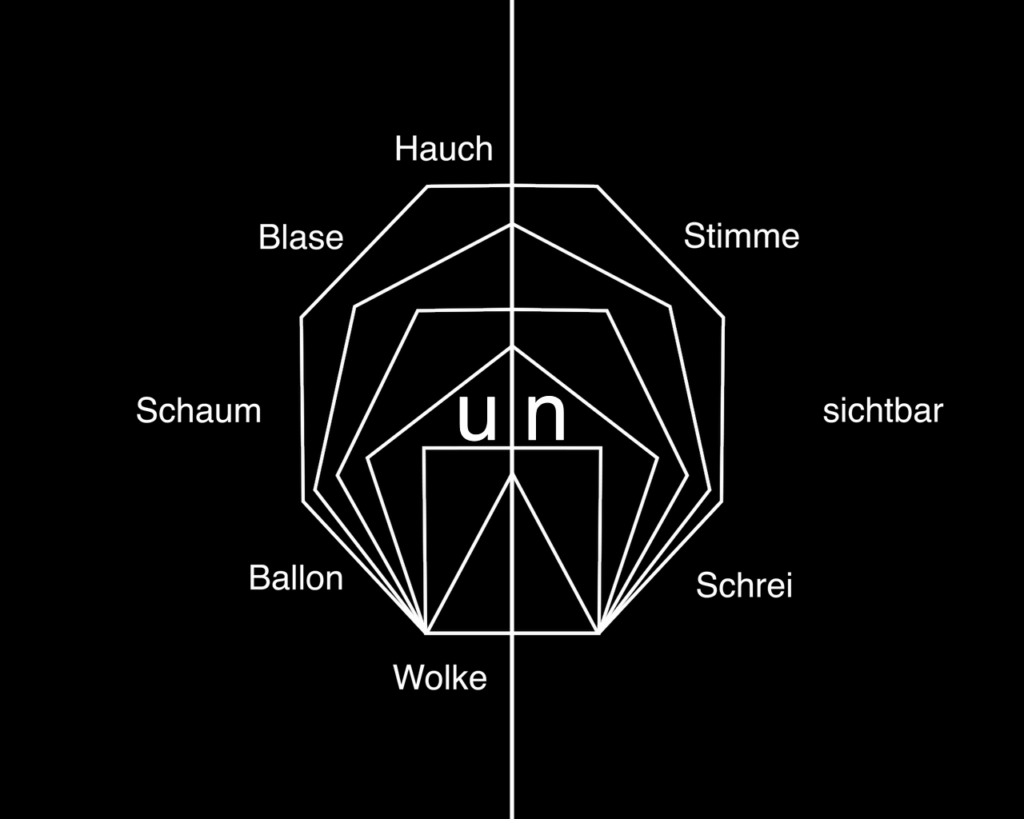
The jury, consisting of Jörg Koopmann, photographer and curator, Daniela Stöppel, art historian and curator, and Renate Wiehager, curator, selected Lilian Robl’s four-part video work Atem / Stimme / Blick / Gehen (Breath / Voice / Look / Walk) from thirteen for the video art prize nominated positions, endowed with 1000 euros. The prize donor is Peider A. Defilla from B.O.A. Videofilmkunst.
The jury’s statement:
Lilian Robl’s four-part video work Atem / Stimme / Blick / Gehen (Breath / Voice / Look / Walk) convinced the jury because of its minimalist use of writing and diagrammatic forms in the moving image medium. Using four tableaux presented on flat monitors, she explores the relationship between sign and signified, subject and object, by allowing concepts and conceptual fields to enter into a dynamic diagrammatically organised relationship with each other and with the viewer. These figures of thought unfold in precise rhythmic cycles that physically involve the recipients. Through a conceptual use of the design element of writing, which otherwise only occurs marginally in the medium of film (for example, in the opening and closing credits), and through the combination of an apparently objective visual language with poetic, open content, a haunting work has been created that unfolds its intellectual and aesthetic effect in a formally reduced pictoriality.
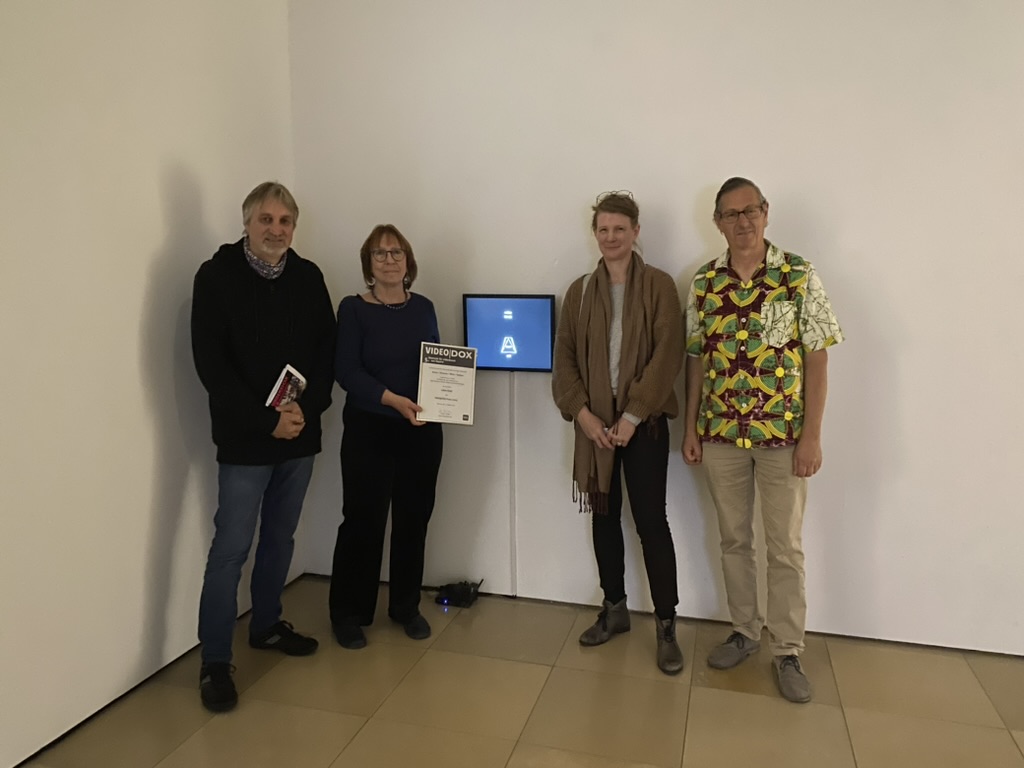
As Lilian Robl is currently in residency abroad, the artist’s parents accepted the award.
The exhibition VIDEODOX with all nominated works can be seen until 22 October at the Galerie der Künstler*innen (Maximilianstr. 42).
We thank all participating artists for the successful exhibition!
“The Underdox Film Festival in Munich presents itself highly topical in its 18th edition.” Jürgen Moises, “Süddeutsche Zeitung”
About the opening film of UNDERDOX:
“Nature knows no clear, fixed boundaries. But humans, with their fences and walls, are constantly trying out new dividing lines. The consequences of this can currently be seen in Ukraine, at the EU’s external borders or in the Nagorno-Karabakh Republic. The latter will probably cease to exist very soon. This was decided after the last fighting between Armenia and Azerbaijan. The conflict has been going on and smouldering for some time. It’s just that almost no one has been interested. Unlike Daniel Kötter, who went in search of clues in Nagorno-Karabakh for his film “Landshaft”. At the Underdox Film Festival, “Landshaft” can be seen as the opening film on 5 October at 7 pm in the Munich Film Museum.”
About the Artist in Focus Declan Clarke:
“A beautiful discovery are the films of Declan Clarke, this year’s “Artist in Focus”. The Irish artist links contemporary and family history with the forms of essay and feature film. He also follows the history of the European left in two experimental “thrillers” and ends up at the Oktoberfest.”
A trailer as condensate. Eighteen years of UNDERDOX. Godard was always there.
This year “Connecting Futures” kept us on our toes, first we went to Belgrade for the BELDOCS festival, then to FIDMarseille. We are now diving into the 3rd phase of young adult cultural exchange. “Nervous” is the adjective that goes under this phase. But we don’t let that throw us off track. After all, we are “bien équilibrés”, well balanced, as JLG assures us with “Pierrot le Fou”.
Trailer: Dunja Bialas
Text & Sound: Jean-Luc Godard, PIERROT LE FOU (1965)
Music: Ludwig van Beethoven, “Die Fünfte” (1808)
Dancers: The young adults of “Connecting Futures”
Cameos: Dunja Bialas and Bernd Brehmer
Shot on location in Belgrad.
© UNDERDOX 2023
Dear UNDERDOX visitors, perhaps you have noticed: we have a completely renewed website! Our big thanks go to Florian Geierstanger, artist and curator, who has also worked for UNDERDOX for many years. He has been working behind the scenes for a year to make UNDERDOX responsive.
We ourselves are thrilled with the result: as heavy festival visitors, we know how annoying it can be to have to click through the complexities before you get to the information you’re looking for. We hope to provide clarity with our menu and not to hide important information behind clicks!
We are also enthusiastic about Michi Kohl. He wrote an article about UNDERDOX in the “Münchner Feuilleton” that UNDERDOX understood to 100%! After the “Süddeutsche Zeitung” banned us from the feuilleton (too little star power), we are all the more happy about this (almost) whole page!
Anyone who feels the urge to also give us something for our anniversary is welcome to bring a gift to the opening on Thursday, 5.10, at 7pm at the Film Museum! Baked goods, crisps, wine, sparkling wine, donations and more will be greatly appreciated!
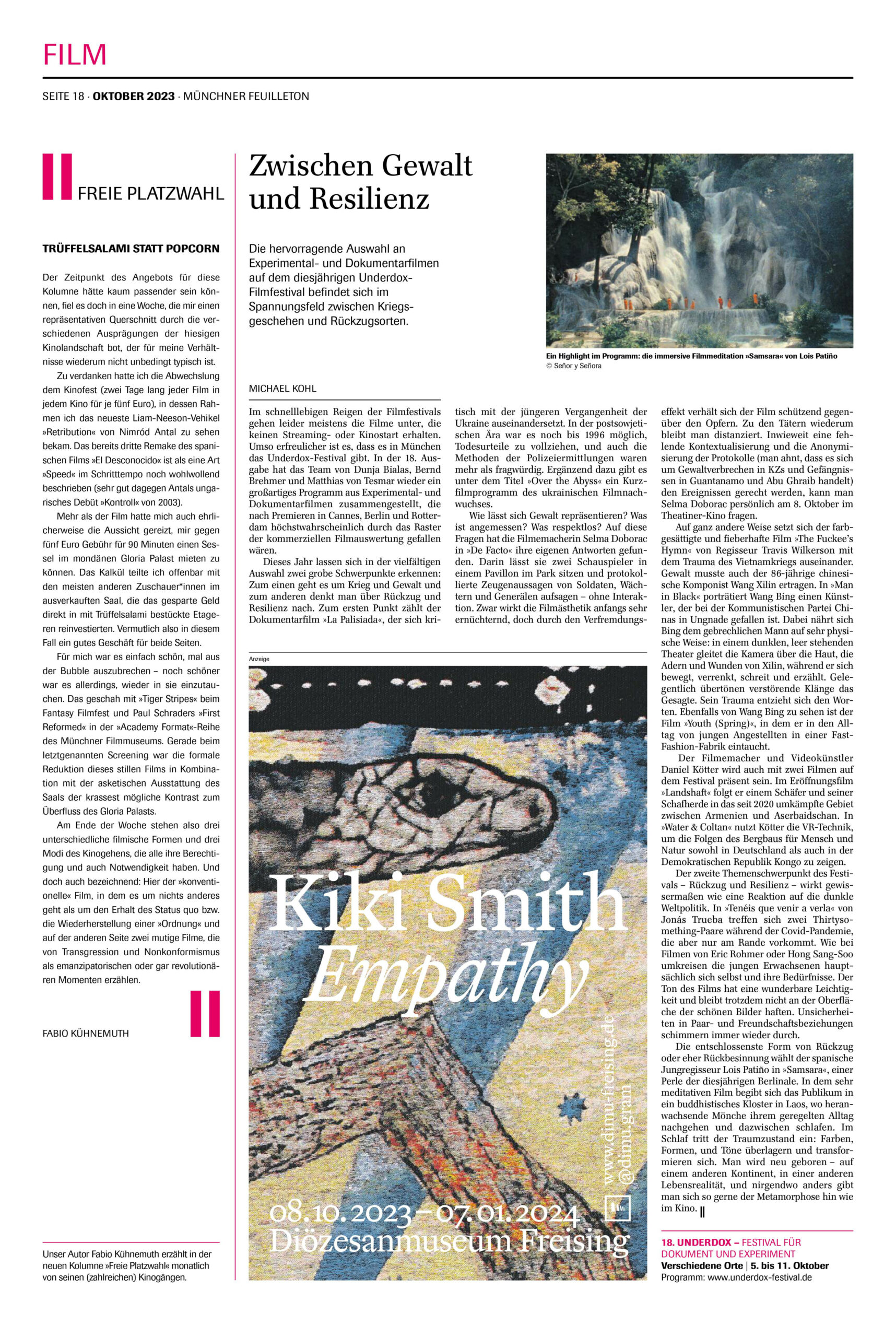
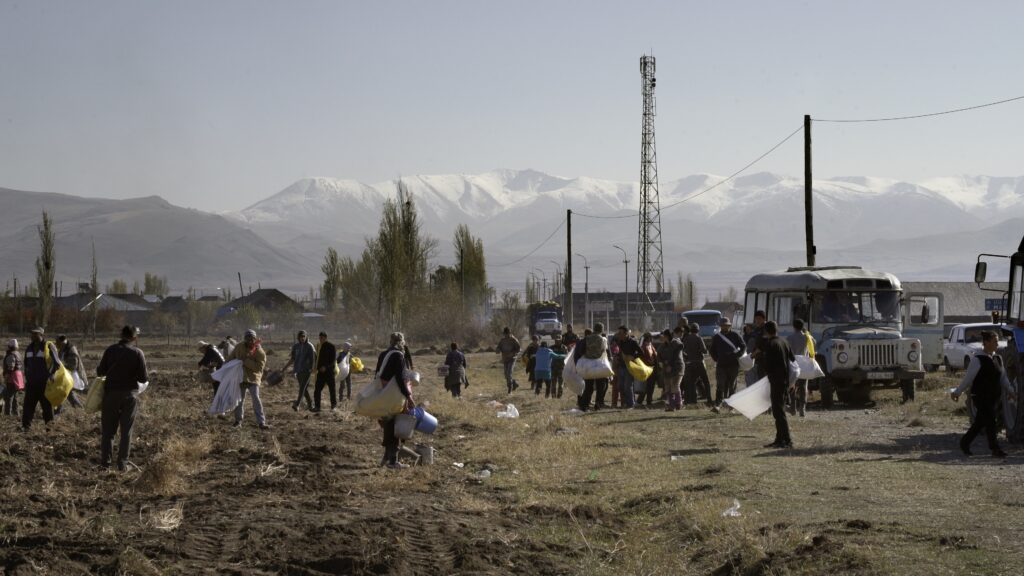
The festival will be opened at the Filmmuseum München on Thursday 5 October with the German premiere of Landshaft by German director Daniel Kötter. In the border region of eastern Armenia, along the new dividing lines between Azerbaijan and Armenia that have emerged since the Nagorno-Karabakh war in 2020, he traces the geopolitical fault lines, following a flock of sheep.
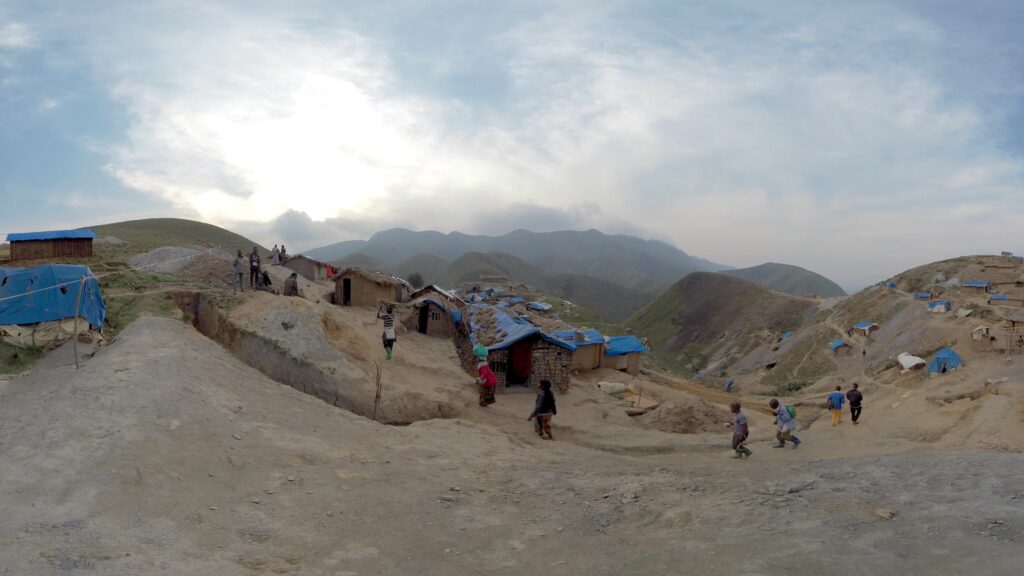
Im the Stadtmuseumsall at the first floor of the Filmmuseum, the festival is showing Daniel Kötter‘s VR feature-length documentary Water & Coltan. The 50-minute 360° film transports the viewer directly to the sites of women’s struggle in coltan mining in South Kivu in Congo and shows the extractivist practice with its consequences. The VR film is screened like a cinema film with fixed starting times.
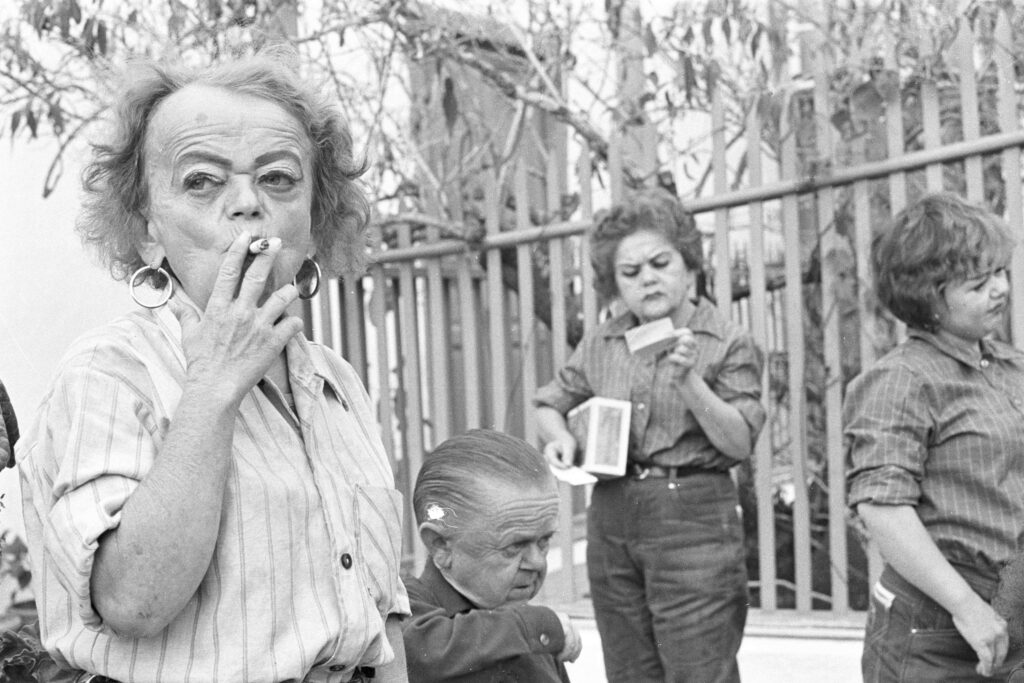
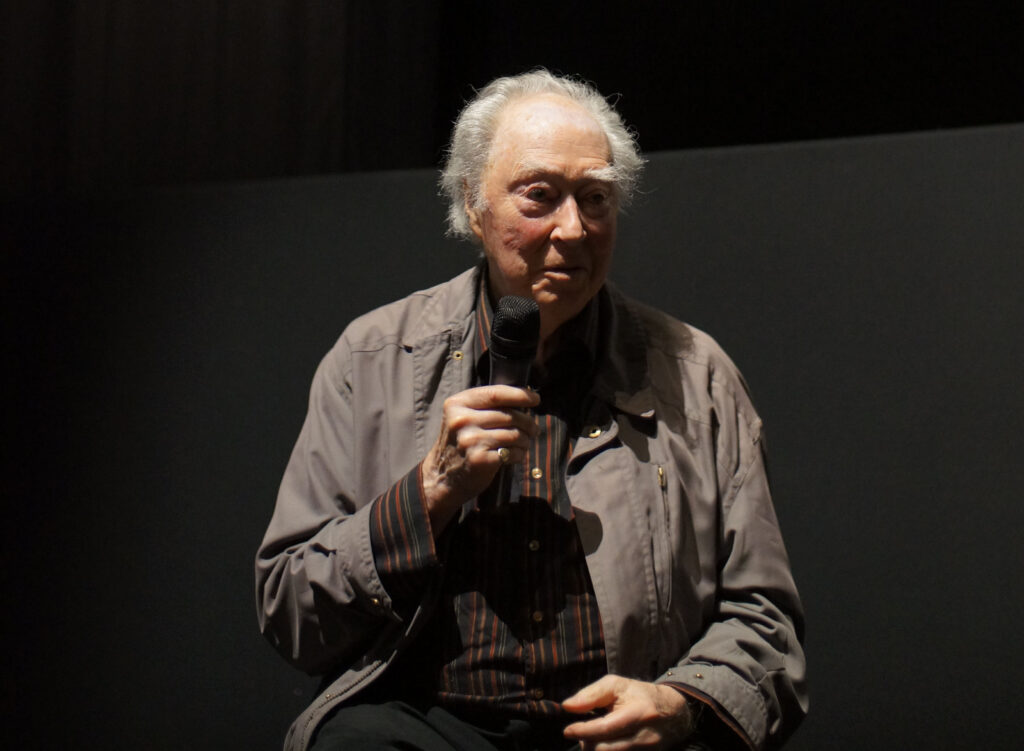
Even dwarfs started small. This famous title from Werner Herzog‘s early work can also be taken as the motto for the 18th edition of the UNDERDOX international film festival. Werner Herzog will personally present his film, shot on Lanzarote, where he also holds workshops for young filmmakers, at the Filmmuseum Munich on Saturday 7 October.
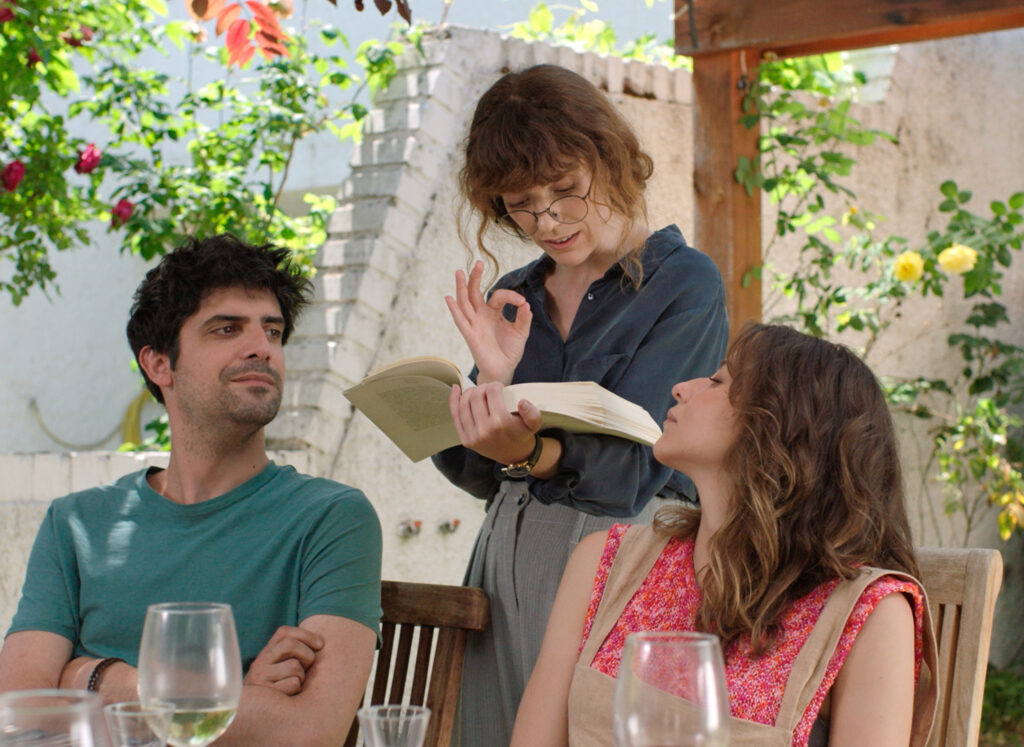
Spanish director Jonás Trueba‘s You Have to Come and See It recalls the playful experimental set-ups of Hong Sang-soo. Two thirtysomething couples who are friends re-sort their lives, or not. Peter Sloterdijk’s essay “You have to change your life”, Bill Callahan’s “Let’s Move to the Country” and Chano Domínguez’s jazzy flamenco accompany them in their escape from the real. The film will be shown as a German premiere on Saturday, 7.10. at the Theatiner.
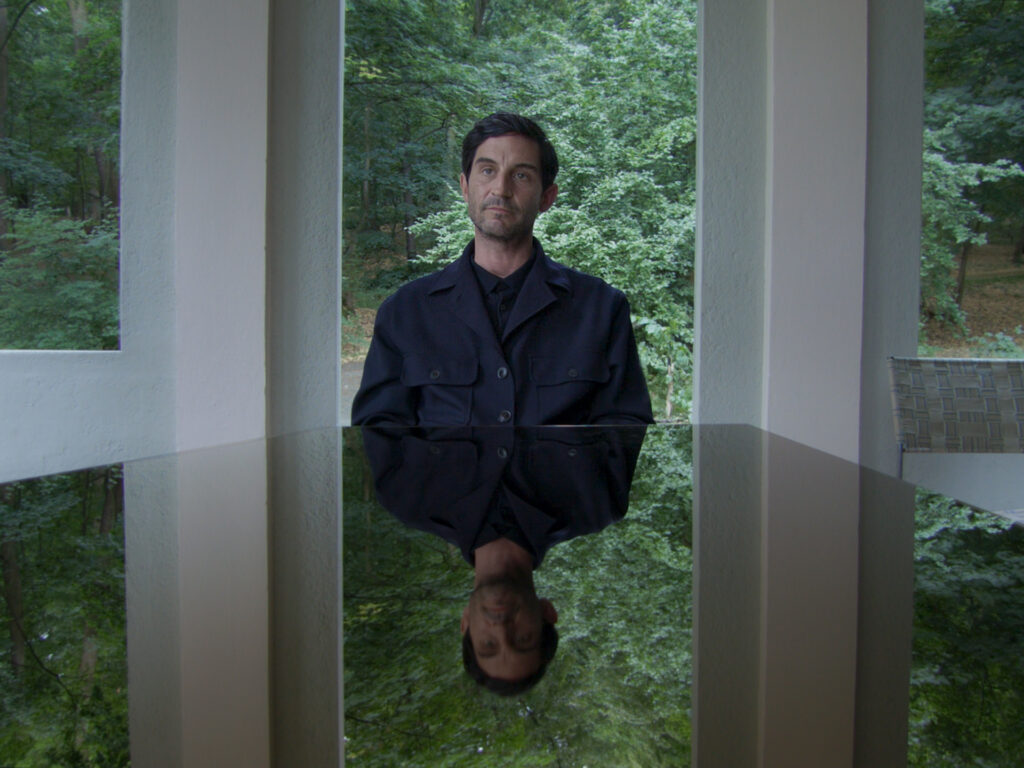
In her film De Facto (Caligari Prize at the Berlinale), Selma Doborac deliberately places the concepts of testimony and authenticity on uncertain terrain. Texts whose origin is as unclear as their truth content challenge the limits of the imaginable. Selma Doborac will present her film in person at the Theatiner on Sunday, 8 October.
Michael Snow (10.12.1928–05.01.2023) became one of the most influential avant-garde artists of the 20th century and a central figure in the Canadian-American art scene with “Wavelength” (1967). While creating groundbreaking works as a painter, photographer, video and film artist, he worked part-time as a jazz pianist. In 1961, he moved to New York with his wife, the artist Joyce Wieland. At the Film-Makers’ Cinematheque (later Anthology Film Archives) he met Jonas Mekas, Peter Kubelka, Stan Brakhage, composer Steve Reich and others.
During his visit to UNDERDOX halftime 2014, Snow personally presented his work during four intense days, including the groundbreaking “La Région Centrale” (1971).
In memory of his visit and an avant-garde film master who brought comedy to experimental film, UNDERDOX presents “Seated Figures” (1988), another of Snow’s central cinematography films, and “Sshtoorrty” (2005), a testament to his lucid and sparkling humour. And, of course, “Wavelength” is not to be missed.
The programm
What does the future of young people in Europe look like? And which questions can we consider with film, whether documentary or experimental, as a discursive medium? In three project phases, CONNECTING FUTURES traces the questions about the future in a Europe in permanent crisis mode. Three film festivals each invite ten young people from three European cities to an intercultural exchange. The focus is on political issues and raising awareness of democracy and human rights, as well as on the first steps toward professionalization and opportunities for collective cooperation.
Already on May 10, 2023, we will go to BELDOCS, the international documentary film festival in Belgrade.
Here we introduce the young participants of CONNECTING FUTURES – UNDERDOX. In the next five months they will report from BELDOCS (phase 1), FID Marseille (phase 2) and UNDERDOX (phase 3) in an (audiovisual) blog.
In three project phases CONNECTING FUTURES wants to trace the questions about the future in a Europe in permanent crisis mode. Three film festivals invite ten young people each from three European cities to an intercultural exchange. Political questions and the sensitization for democracy and human rights are in the focus as well as first steps of professionalization and possibilities of collective cooperation.
CONNECTING FUTURES is aimed at young adults (18-22 years old) from all educational backgrounds. Prerequisites for participation are a keen interest in the audiovisual medium and a willingness to reflect on political issues.
The language of communication between the project participants is English. The three project phases will take place on location. Participation in the workshops is free of charge for the young people. Travel and accommodation costs will be covered by the project.
Please send your application with your personal profile and a short letter of motivation explaining why you are interested in participating to info@underdox-festival.de.
Application deadline: March 31, 2023
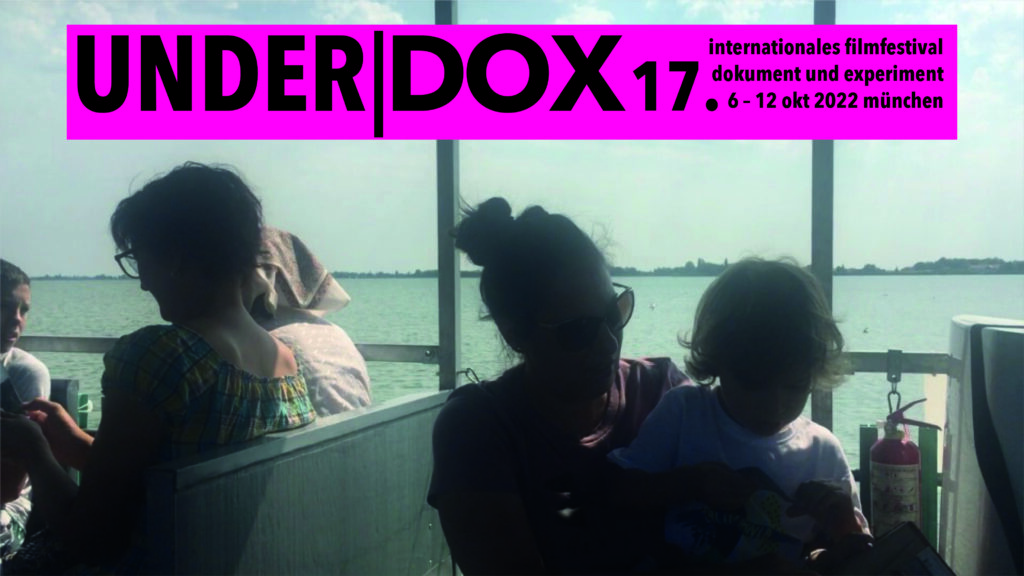
The theme of “volatility” is driving us this year. Nothing lasts. Peace. Health. Elements. Films. Jean-Luc Godard has passed on. And even the last excursion of UNDERDOX is history. In the summer of 2021, we went to Palić, Serbia, to present a short film program at the local festival. We left the EU and got to know a secluded, mysterious world near the Hungarian border. The trailer reminds us of our trip. It shows a shot of the dead lake of Palić, which is completely tilted. That doesn’t stop us from reveling in idyll: Slowly, the barge draws a circle over the greenish-yellow water, folk tunes wistfully reminiscent of old, better times. Suddenly, the sound of a film projector mingles. – This was just a new prank by JLG. Marguerite Duras sits across from him, praising his film. The latter smirks: he can only ever say bad things, he admires her praise. Then they say: Shall we begin? Yes, we begin.
I+DOP+S+E: Dunja Bialas
Found Footage: Walt de Mirabeau
Starring Bernd Brehmer, Jean-Luc Godard, Marguerite Duras and the Palić’ tourists.